
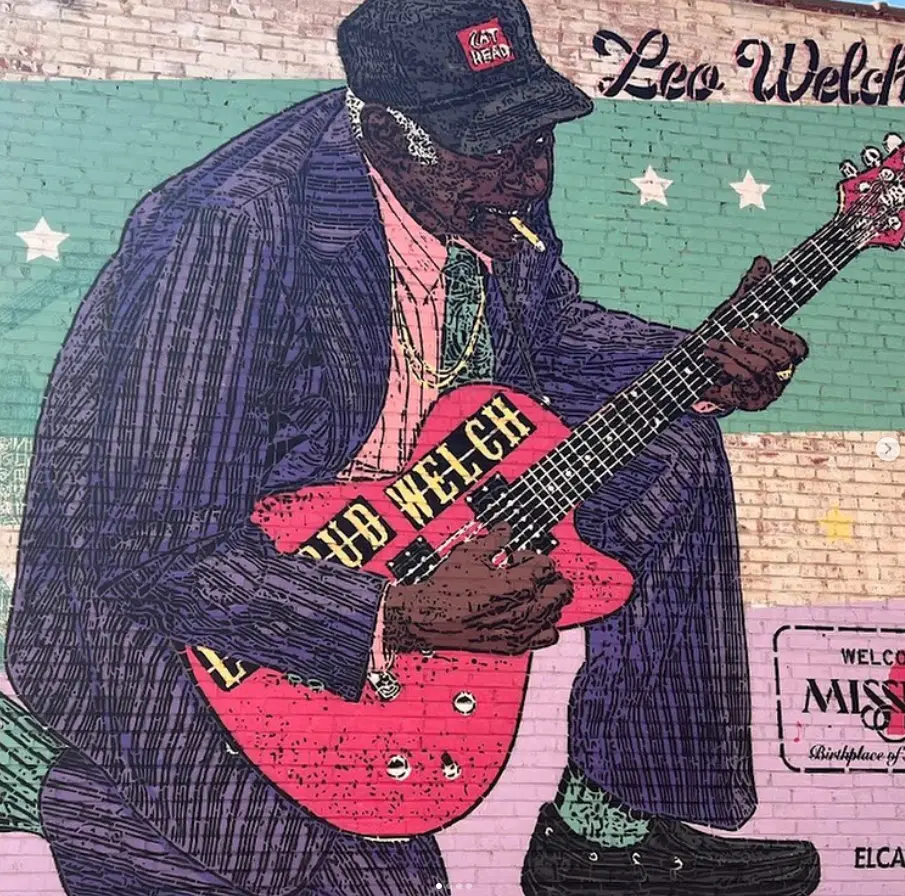
Leo Bud Welch by El Care Barbie photo by BeautyandBrawn
PIXELSTIX INTERACTIVE ART GUIDE
An Over-The-Shoulder Look at Public Art Technology
St. Petersburg, Florida
Public art is undergoing a massive digital transformation. It is no longer enough to simply paint a wall and walk away; today’s audiences want to know the story behind the brushstrokes.
While QR codes have become the standard for connecting physical art to digital content, most installations fail to deliver a good user experience. Small technical errors can lead to broken links, unreadable codes, and frustrated gallery-goers.
If you are a muralist or an arts organization looking to level up your interactive game, avoid these seven common pitfalls.
1. Using Static Instead of Dynamic QR Codes
The most common mistake happens before the plaque is even printed. Many creators use free QR generators that create "static" codes, which hard-code the destination URL directly into the pattern.
If you use a static code and your website URL changes, or if you want to switch the video content associated with the mural, that QR code becomes a useless square of digital junk. You would have to scrape the plaque off the wall and print a new one.
tip: Always use dynamic QR codes so you can update the destination link at any time without changing the physical code on the wall.
2. Ignoring High-Contrast Design
Scanners rely on the ability to distinguish between the foreground (the dots) and the background (the space). When artists try to make the QR code "blend in" by using low-contrast colors like light grey on white or yellow on cream, the camera hardware often fails to register the markers.
Environmental factors like glare, shadows, and rain make this problem even worse for outdoor murals. If the contrast isn't sharp, the scan won't happen.
3. Paying Monthly for Basic QR Services
There is a growing trend of "QR-as-a-Service" websites that charge $20 to $50 per month just to keep your dynamic link active. This is a massive drain on arts budgets, especially for permanent installations intended to last for years.
If you stop paying that monthly fee, your mural’s digital experience dies. Over five years, a single "cheap" QR code could cost you over $1,200 in subscription fees.
PixelStix offers a different model. Our all-weather acrylic plaques cost a flat $60 once. There are no monthly fees to keep your content live, and you get free monthly analytics included.
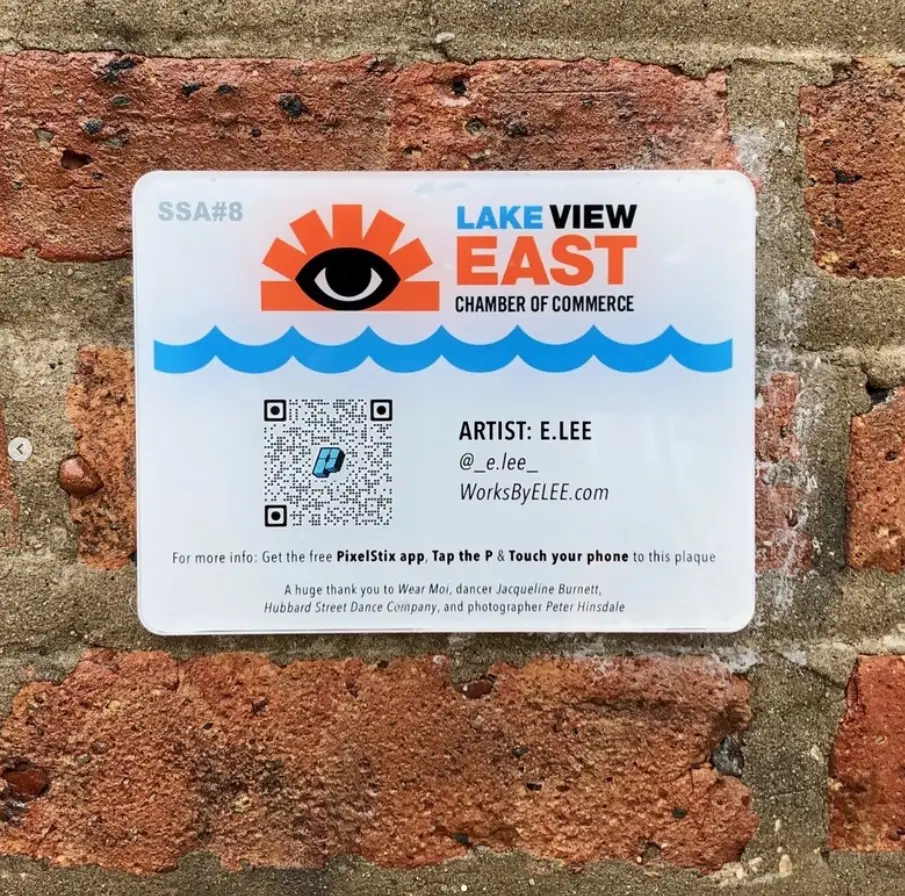
E. Lee
4. Poor Placement and Safety Hazards
Physical placement is just as important as the digital link. We often see QR codes placed ten feet high on a wall or tucked into a dark corner where a phone's camera can't focus.
Worse, some codes are placed near heavy traffic or narrow ledges. If a viewer has to step into a busy street or stand in a dangerous position to get the right angle for a scan, they simply won't do it.
How to Position Your Plaque
- Locate a flat surface near the mural at eye level.
- Ensure the spot is approximately 150-160 cm from the ground.
- Verify that the viewer can stand comfortably without blocking a walkway.
- Mount the plaque using outdoor-rated adhesive or screws.
tip: Position your plaques in well-lit areas to ensure the camera can pick up the code even at dusk.
5. Sizing the Code Incorrectly for Distance
A QR code that is too small for its environment is a frequent point of failure. The ratio of "distance to size" matters; if a viewer is standing five feet away, a half-inch QR code will be nearly impossible to scan.
For most mural plaques, the QR code should be at least 1 to 2 inches wide. If the mural is behind a fence or a barrier where people can’t get close, the code needs to be significantly larger to accommodate the distance.
6. Missing a Clear Call-to-Action (CTA)
A lone QR code on a wall is a mystery, not an invitation. Many people are still hesitant to scan random codes for security reasons or simply because they don’t know what they will get.
You must tell the viewer exactly why they should scan. Use clear text like "Scan to hear the artist's inspiration" or "Tap to see the making-of video." Without a CTA, your engagement rates will remain low regardless of how good the art is.
7. Relying Only on QR Codes and Missing NFC
QR codes are great, but they aren't the only way to connect. Some people are also hesitant to use QR because of QR fishing. Near Field Communication (NFC) allows users to simply tap their phone against a plaque to launch content: no camera app or steady hand required.
Relying solely on QR codes excludes people who may have trouble with camera focus or those who want a faster, more "premium" feel. PixelStix plaques are dual-technology; they include both a high-contrast QR code and an embedded NFC chip.
The PixelStix Advantage
We built PixelStix to solve these exact problems for the arts community. Our mural activations are designed to be durable, affordable, and high-tech.
Why PixelStix is the Expert Choice
- Dynamic QR Codes (Always): The QR codes on our plaques are always dynamic and can be changed in the background at no extra charge, ensuring the QR code always works.
- Dual-Tech Hardware: Every $60 plaque includes both QR and NFC.
- All-Weather Durability: Our acrylic plaques are built to withstand sun, rain, and snow.
- No Minimum Order: Whether you need one plaque for a single mural or 100 for a festival, we can help.
- Free Analytics: Track how many people are interacting with your art in real-time.
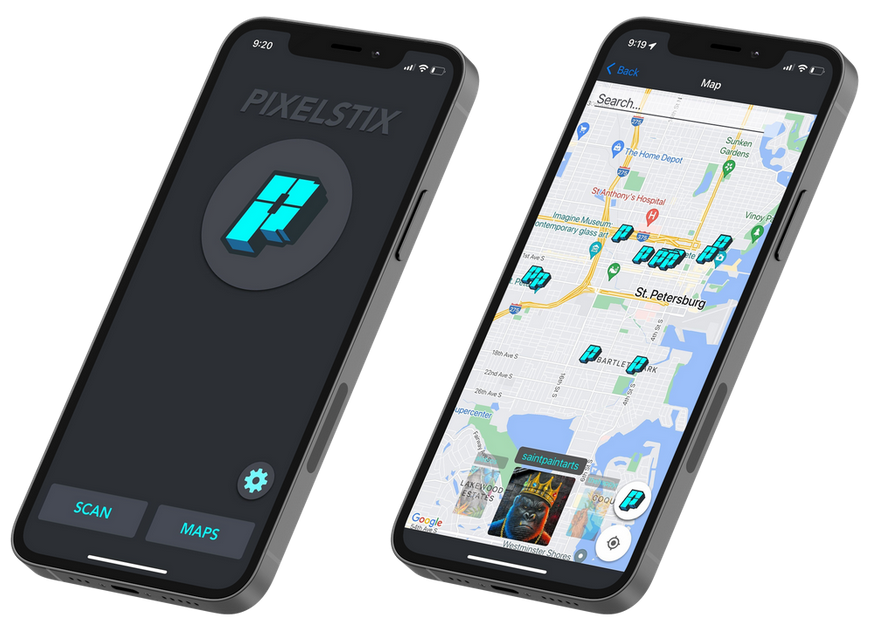
- The Maps App: Your mural is automatically featured on the PixelStix Maps app, helping new fans discover your work.
How to Get Started with Interactive Murals
- Navigate to the PixelStix Shop.
- Select the number of Smart Plaques you need for your project.
- Receive your plaques and mount them to your mural surface.
- Open the PixelStix app and assign your digital content (video, audio, or web link) to the plaque.
- Test the scan and tap functionality on multiple devices.
tip: You can update the content assigned to your plaque at any time through the app dashboard.
Making Public Art Truly Public
The goal of adding technology to a mural is to lower the barrier between the artist and the community. When you avoid these seven mistakes, you ensure that your work is accessible, engaging, and professional.
If you are tired of paying monthly fees for broken links and low-quality stickers, it is time to switch to a professional interactive mural solution. Anyone that wants to contact us about their project should schedule a conversation.
The Map will stay active as long as your mural exists. By choosing the right infrastructure today, you are protecting the legacy of your art for the future.